Understanding Flood Watch: How Decisions & Alerts Are Issued
When severe weather threatens, a
Flood Watch serves as a critical early alert, signaling that conditions are favorable for flooding to occur in a designated area. More than just a simple announcement, the issuance of a flood watch is the culmination of complex forecasting, strategic decision-making, and advanced technological support, all designed to safeguard lives and property. It's a nuanced process that balances the need for timely warnings with the imperative to avoid "cry wolf" scenarios.
The Core Mechanism: What is a Flood Watch?
At its heart, a
Flood Watch is a weather warning indicating that areal flooding has been observed or is imminent within a specified region. It's not a guarantee of flooding, but rather a heads-up that conditions are ripe for it. The overarching task of providing flood warnings, including the decision to issue a flood watch, is fundamentally divided into two distinct, yet interconnected, parts:
- Internal Alertness: This involves decisions to escalate or change the state of alertness within the flood warning service provider and its partner organizations, such as emergency response agencies. This internal coordination ensures that all relevant parties are prepared to act if conditions worsen.
- Public Warnings: These are the decisions to issue official flood warnings, including a Flood Watch, directly to the general public. This external communication aims to inform and empower communities to take preparatory actions.
This two-pronged approach ensures that both responders and residents are adequately prepared for potential flood events, laying the groundwork for effective risk mitigation.
Behind the Scenes: Factors Influencing Flood Watch Decisions
The decision-making process for initiating a
Flood Watch is a delicate balancing act, influenced by a multitude of critical factors that forecasters and emergency managers must weigh carefully. These aren't just checkboxes; they represent a deep understanding of hydrological science, human behavior, and public trust.
- Forecast Reliability and Lead-Time: The accuracy of available flood forecasts is paramount. Forecasters must consider how reliable their predictions are, especially as lead-time (the period between the warning and the anticipated event) increases. Highly confident forecasts allow for earlier, more impactful warnings.
- Public Response Time: A key consideration is the amount of time the public would realistically need to respond effectively to a warning. This includes time to secure property, make evacuation plans, or move to higher ground. A warning issued too late renders preparation futile.
- Warning-to-Reception Delay: There's an inevitable delay between when a warning is initiated by authorities and when it's actually received and understood by the public. This delay can vary based on communication channels, public engagement, and even linguistic barriers, all of which must be factored into the timing.
- Avoiding Unnecessary Warnings (False Alarms): This is perhaps one of the most challenging factors. Issuing too many unnecessary warnings can lead to significant wasted efforts from responders and the public alike. Moreover, a history of false alarms can erode public trust, making people less likely to respond seriously to future, genuine warnings – a phenomenon known as "warning fatigue."
- Preventing Rescind-and-Reissue Cycles: Imagine preparing for a flood, only for the warning to be canceled, and then reissued shortly after. Such occurrences are not only incredibly frustrating for the public, leading to wasted effort and resources, but they also severely damage the credibility and reputation of the flood warning service. Forecasters strive for certainty before making changes to existing alerts.
These factors highlight the significant responsibility shouldered by those who make these critical decisions, underscoring the blend of scientific rigor and practical foresight required.
The Role of Technology: How Flood Watches Are Supported
Modern flood warning systems are significantly bolstered by sophisticated computer technology, which acts as the backbone for collecting data, running models, and facilitating communication. While human judgment remains indispensable, these systems empower decision-makers with speed and accuracy. A typical computer system designed for flood warning contains several integrated sub-systems:
- Flood Forecasting: This is the core engine, utilizing hydrological models, real-time precipitation data, river gauge readings, and topographic information to predict river levels and potential inundation. Advanced algorithms process vast amounts of data to generate accurate forecasts.
- Automatic Alerting of Internal Staff: When forecast thresholds are met or exceeded, the system can automatically alert relevant internal staff and partner organizations. This ensures that emergency managers, meteorologists, and response teams are immediately aware of changing conditions, even outside of normal working hours.
- Tracking of Alert Messages and Acknowledgements: The system logs all alert messages sent and tracks acknowledgements received from staff. This ensures accountability and confirms that critical information has reached its intended recipients.
- Diversion of Messages to Alternates: In situations where an initial recipient fails to acknowledge a message (e.g., due to being unavailable), the system can automatically divert the alert to pre-designated alternate personnel, ensuring no critical warning goes unheeded.
This technological infrastructure ensures that the flow of information is rapid, reliable, and redundant, minimizing human error and maximizing preparedness at every stage.
A Closer Look: River Flood Watches and the NWS
While the general concept of a
Flood Watch covers various types of flooding, a specific and highly targeted alert is the
River Flood Watch Explained: NWS Alerts & Your Preparedness, issued by the National Weather Service (NWS) in the United States. This alert is highly specialized, focusing on potential riverine flooding.
A River Flood Watch is issued when hydrometeorological conditions indicate that river flooding is
possible, but not yet certain, at specific forecast points along a river equipped with gauging sites. These watches serve as an early notification for the public, emergency managers, and other stakeholders about the potential for rivers to rise above flood stage due to factors like heavy rainfall, snowmelt, or dam releases, typically 6 to 48 hours in advance.
Unlike broader flood watches that might cover entire counties, River Flood Watches are geographically targeted using polygons along affected river segments. This precision focuses alerts on areas most likely to experience inundation. The NWS issues a River Flood Watch when forecasters assess a 50% to 80% probability that a river will exceed its designated flood stage at a forecast point. This assessment is based on a comprehensive analysis of river gauge data, precipitation forecasts, and hydrological models.
These watches are disseminated through NWS websites, NOAA Weather Radio, and partner communication channels, with details often elaborated in the Area Forecast Discussion. If confidence in flooding increases significantly (typically above 80%), the watch is upgraded to a
NWS River Flood Watch: From Possibility to Imminent Warning, signaling that flooding is imminent or occurring and requiring immediate action. This tiered system helps mitigate risks by providing graduated levels of preparedness, distinguishing slow-rising riverine flooding from faster-onset flash flooding.
Your Role During a Flood Watch: Preparedness and Action
When a
Flood Watch is issued for your area, it's a call to *prepare*, not panic. Understanding your role in this preparedness phase is crucial for your safety and that of your community.
- Stay Informed: This is your primary action. Continuously monitor official sources such as the National Weather Service (NWS.gov), local news, NOAA Weather Radio, and emergency alerts on your phone. These sources will provide updates and indicate if the watch is upgraded to a warning.
- Understand Your Risk: Know if your home or daily commute route is in a flood-prone area. If you live near a river, keep an eye on river levels through NWS tools or local government websites.
- Develop an Emergency Plan: Discuss with your family what you would do if flooding occurred. This includes designated meeting points, emergency contacts, and evacuation routes.
- Assemble an Emergency Kit: Have a go-bag ready with essential items like water, non-perishable food, a first-aid kit, flashlight, batteries, important documents (copies), medications, and a weather radio.
- Secure Your Property: If time allows, move valuables and important documents to higher floors. Consider clearing gutters and drains, and if you have a basement, ensure your sump pump is working.
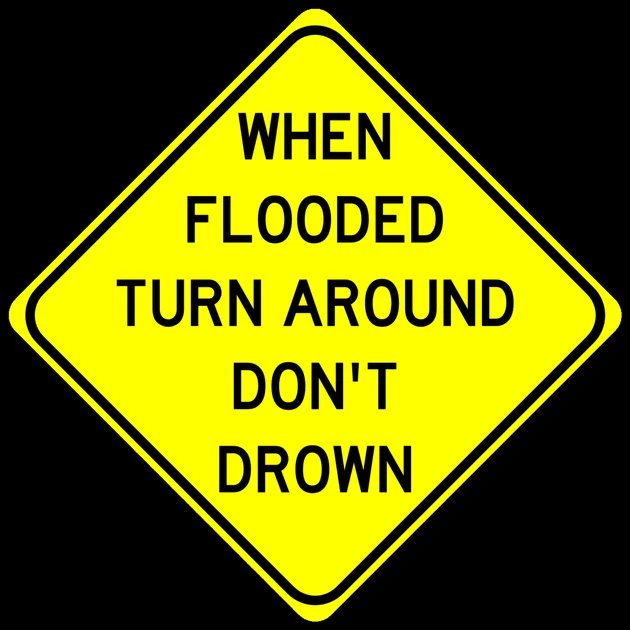
- Never Drive Through Floodwaters: Just six inches of moving water can knock an adult off their feet, and 12 inches can sweep away a small car. Turn Around, Don't Drown!
- Prepare for Evacuation: If you're in a vulnerable low-lying area, be ready to evacuate at short notice if a Flood Warning is issued or advised by authorities.
Conclusion
The issuance of a
Flood Watch is a sophisticated and highly responsible process, blending cutting-edge technology with meticulous human judgment. It represents an early signal, giving communities precious time to prepare for potential flooding, whether it's general areal flooding or a specific riverine threat. By understanding how these decisions are made and, more importantly, by knowing what actions to take when a flood watch is issued, we empower ourselves to mitigate risks, protect our loved ones, and build more resilient communities in the face of severe weather. Always remember: a watch means *be prepared*, because conditions are favorable for danger.